
01Construction
MDF: pressed wood fibres. Plywood: glued wood veneers.
When MDF makes sense, when plywood is the only sensible choice, and why.
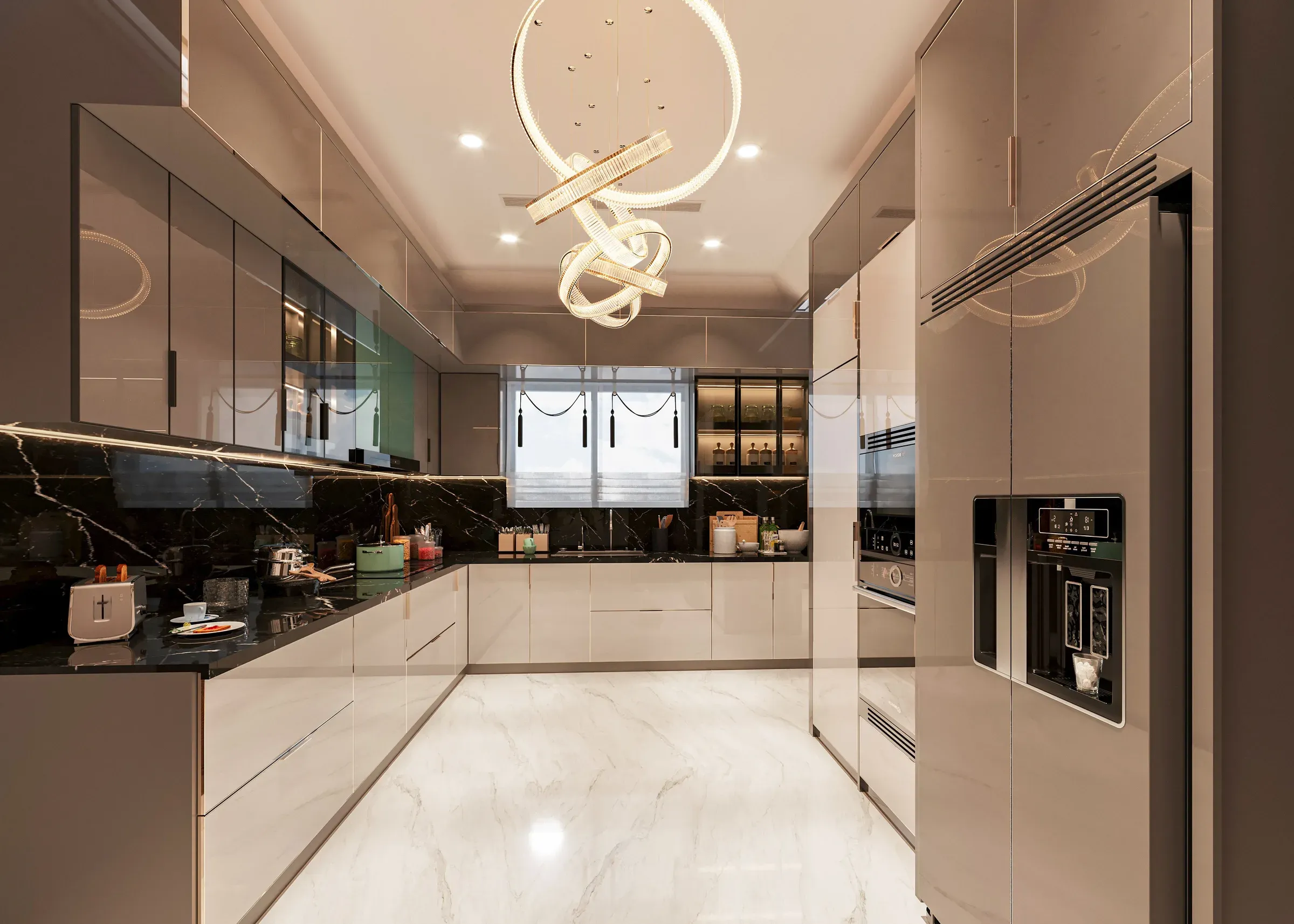
MDF vs plywood is a question every homeowner faces when planning furniture. MDF (medium-density fibreboard) is smooth and cheap; plywood is layered, strong and better with moisture. Using the right one in the right place makes furniture last.
Here are 10 points of comparison.
MDF: pressed wood fibres. Plywood: glued wood veneers.
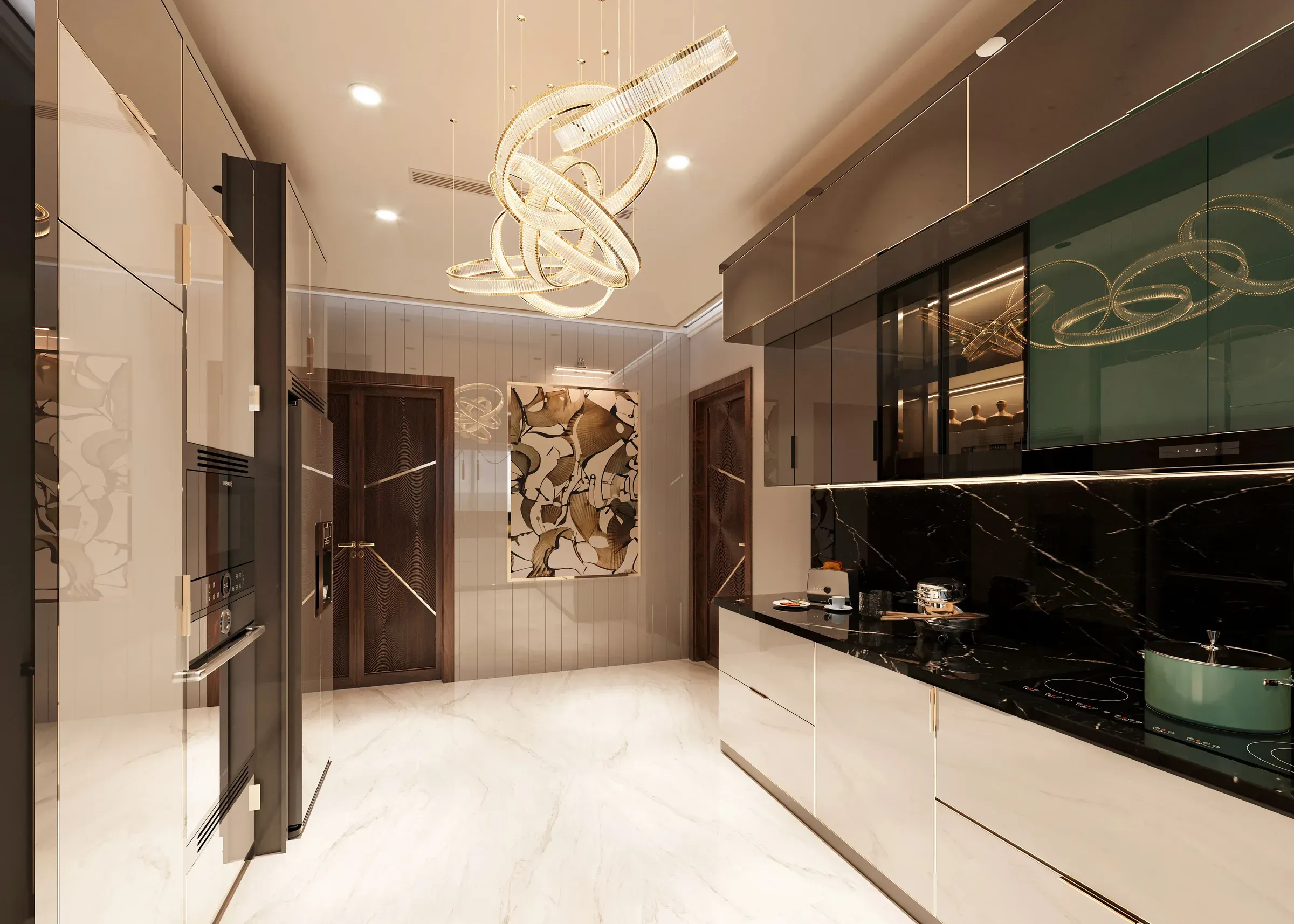
MDF is perfectly smooth, ideal for paint and CNC.

Plywood is stronger and less likely to sag.

MDF swells badly when wet; BWP ply resists water.
Plywood holds screws better, especially at edges.
Both come in 6, 9, 12, 18 and 25 mm; 18 mm is standard for carcasses.
MDF is cheaper than good plywood.
MDF is best for intricate jaali and carvings.
MDF is heavier.
Treated ply resists termites; plain MDF can be attacked.
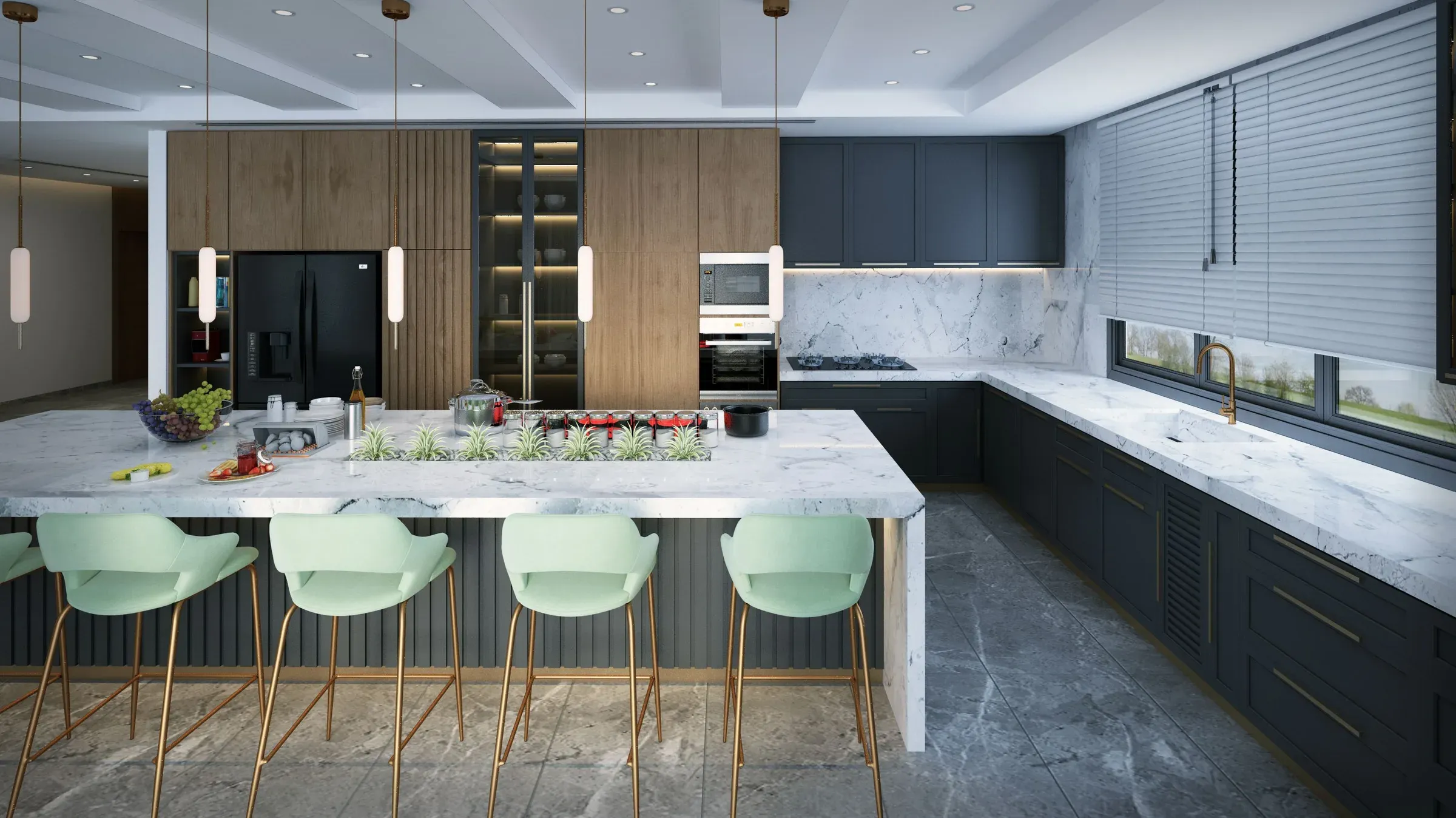
Want each part of your kitchen built in the right board? Our modular kitchen in Kolkata service specifies it in writing.
FAQs
MDF is made of pressed wood fibres; plywood is made of layered wood veneers. Plywood is stronger and handles moisture better.
For painted, decorative pieces in dry rooms, yes. For kitchens and wardrobes in humid cities, plywood is better.
18 mm for shutters and panels; thinner for backs.
Only for shutters away from the sink, and preferably moisture-resistant MDF.
PVC foam board: uses, pros and cons
A waterproof, termite-proof board for wet areas, and where it falls short.
Particle board vs plywood: which is better?
Why particle board is cheaper and when that saving costs you later.
Sunmica in English: what is sunmica?
The everyday Indian word for laminate, and what you should know when choosing one.
Ready to plan your home?
Book a free consultation with a designer. No obligation, no pressure.