
Laughing Buddha with raised arms
01Laughing Buddha with raised arms
Associated with happiness and success.
What the laughing Buddha represents, the common types and where to place one.
The feng shui laughing Buddha is a cheerful figure associated with happiness, abundance and good fortune. Based on the Chinese folk figure Budai, it's a popular decor piece and gift in Indian homes.
Here are 11 common laughing Buddha types and placement ideas. These are traditional beliefs; enjoy them in the spirit they're given.
Associated with happiness and success.
Represents carrying away worries and bringing abundance.
Linked to contentment.
Associated with family happiness.
Linked to protection and long life.
Associated with wealth.
A relaxed, sitting pose for calm.
Facing the main door to greet energy and guests.
On a console or shelf at eye level.
A small figure on a work desk.
Brass, resin, ceramic or wood.
Want an entrance console or niche designed for decor pieces? Talk to our interior designers in Kolkata.
FAQs
It's associated with happiness, abundance and good fortune in feng shui tradition.
Facing the main door, or on a living room shelf at about eye level.
Raised arms for happiness, a sack for abundance, or with children for family harmony.
Yes, it's a popular and traditional gift.
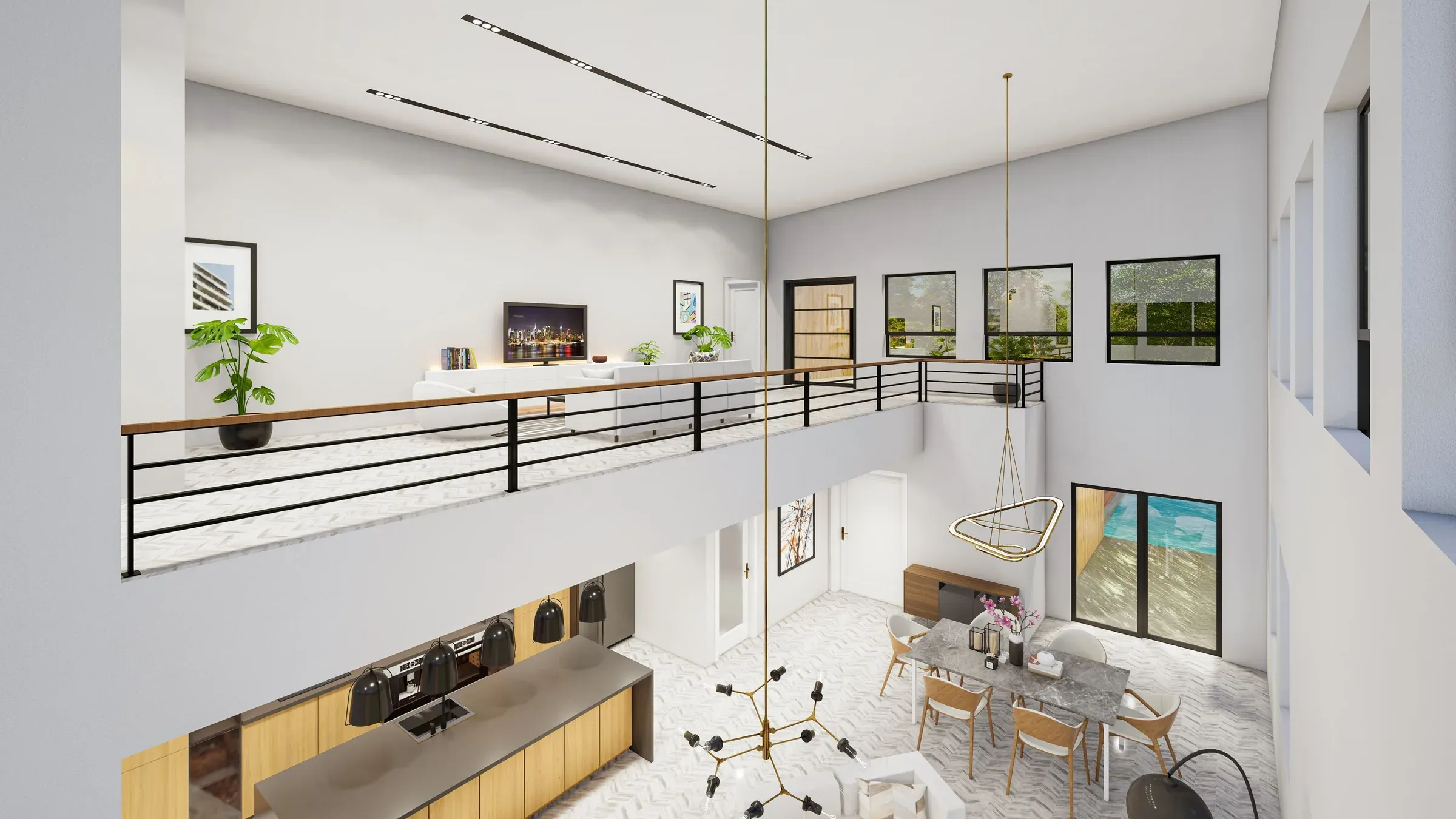
Foyer design: 12 home entrance ideas
Make the first few steps into your home welcoming, tidy and practical.
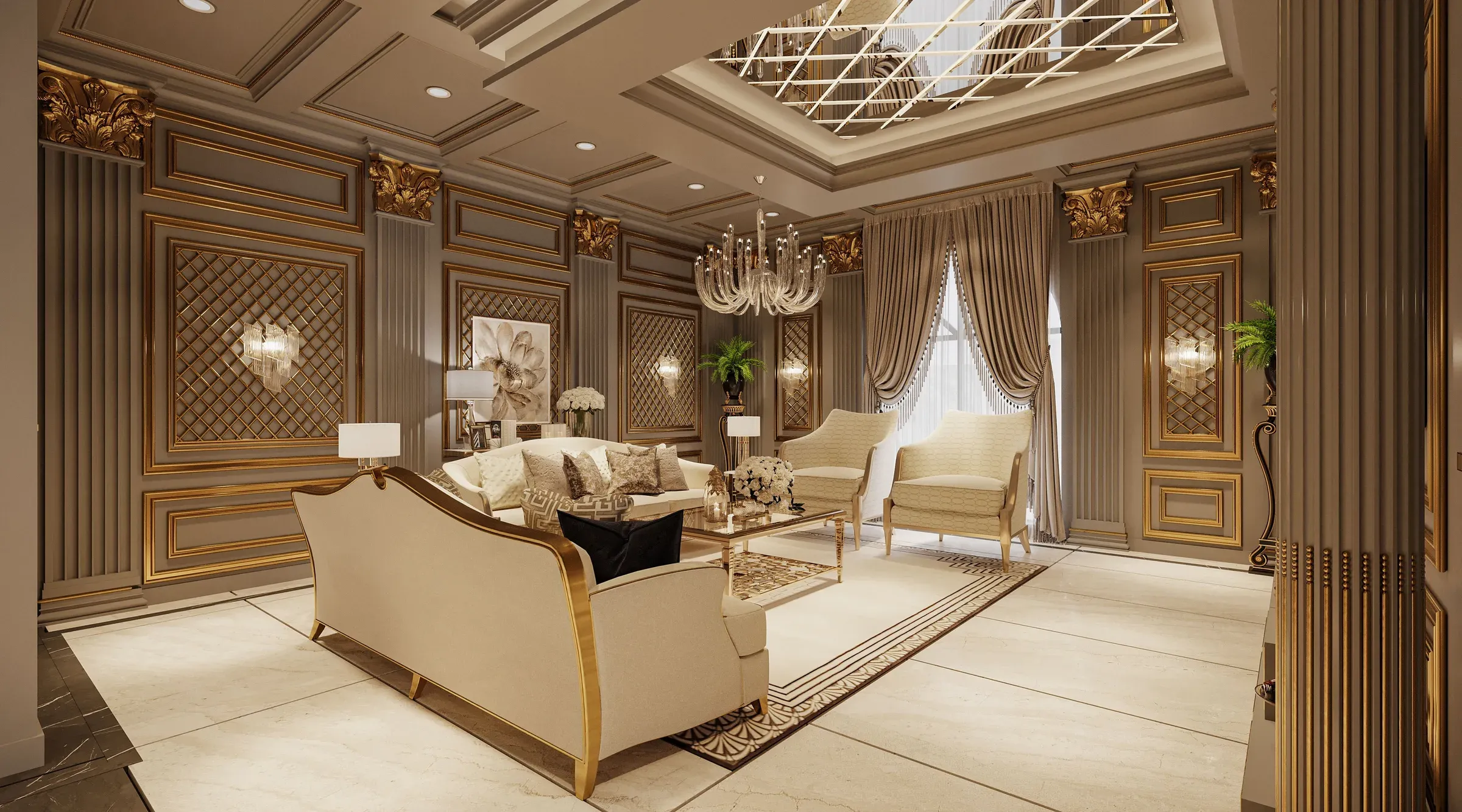
Hallway arch designs: 11 modern ideas
Arches that soften passages and add architectural charm to a home.
Interior design styles: 12 home themes explained
A simple guide to popular interior themes and how to pick one for your home.
Ready to plan your home?
Book a free consultation with a designer. No obligation, no pressure.